
What is pH balance?
pH balance refers to the state of equilibrium between acidity and alkalinity in a solution, measured on the pH scale from 0 (strongly acidic) to 14 (strongly alkaline), with 7 considered neutral. It works by quantifying the concentration of hydrogen ions (H⁺) in a solution, where a higher concentration results in a lower pH (acidic), and a lower concentration results in a higher pH (alkaline). The term is rooted in the early 20th-century work of Danish chemist Søren Peder Lauritz Sørensen, who introduced the concept of pH in 1909 at the Carlsberg Laboratory in Copenhagen to better understand the role of hydrogen ion activity in biochemical reactions. Related concepts include pOH, buffers, the Nernst equation, ion activity, and autoionization of water (Kw = 1 × 10⁻¹⁴ at 25 °C), all of which help maintain or describe pH balance in biological, environmental, and industrial systems.What is pH imbalance?
pH imbalance refers to a condition in which the pH level of a solution or biological system deviates significantly from its normal or optimal range, disrupting chemical equilibrium and physiological processes. It occurs when there is an excess of hydrogen ions (H⁺), leading to acidosis (low pH) or a deficiency of H⁺ causing alkalosis (high pH), often measured against the neutral point of pH 7.0 or specific functional ranges (e.g., blood: 7.35–7.45). This imbalance affects ion activity, enzyme function, and buffering capacity, and is linked to terms like acid-base balance, pOH, bicarbonate buffering, respiratory/metabolic compensation, and titratable acidity.Why does pH balance matter in different systems?
pH balance is critical across biological, chemical, environmental, and industrial systems because it governs the concentration of hydrogen ions (H⁺), which directly affects biochemical reactions, solubility, stability, corrosion, toxicity, and metabolic function. pH control ensures enzyme activity and oxygen delivery in the human body (7.35–7.45), maintains chemical integrity in liquids like beverages and cleaning agents, regulates environmental quality in soil and water ecosystems (typically pH 6.5–8.5), and stabilizes industrial processes such as water treatment, fermentation, and chemical manufacturing, where even minor pH deviations can lead to system failure or product degradation.What are the pH balance applications?
The pH balance has wide-ranging applications in the human body, animals, water systems, aquatic life, soil and agriculture, food and beverages, industry and manufacturing, laboratories, and measurement tools, because it regulates chemical stability, biological function, microbial activity, and process efficiency in both living and non-living systems.- Human Body: Maintains homeostasis, enzyme activity, and oxygen transport; normal blood pH is tightly regulated between 7.35 and 7.45.
- Animals: Supports metabolism, digestion, and cellular function, with species-specific ranges critical for organ and immune health.
- Water Systems: Ensures safe drinking water (ideal pH 6.5–8.5), prevents pipe corrosion, and supports chemical disinfection processes.
- Aquatic Life: Preserves fish and microorganism health; most species require a pH between 6.5 and 9.0 for survival and reproduction.
- Soil and Agriculture: Influences nutrient availability and crop yield; optimal soil pH for most plants ranges from 6.0 to 7.5.
- Food and Beverages: Affects taste, shelf life, fermentation, and safety; for example, yogurt has a pH of 4–5, and soda has around pH 3.
- Industry and Manufacturing: Controls chemical reactions, corrosion rates, and product quality in sectors like pharmaceuticals, textiles, and mining.
- Laboratories: It is essential for analytical accuracy in titration, chromatography, and microbiological testing.
- Measurement Tools: Underpins sensor design, calibration accuracy, and real-time process monitoring using pH meters, electrodes, and strips.

pH balance in the human body
pH balance in the human body is crucial for maintaining stable internal conditions that allow enzymes, cells, and organs to function optimally. pH levels regulate metabolic processes, oxygen transport, and electrolyte balance, and when the body becomes too acidic or too alkaline, it can lead to serious health issues such as acidosis, alkalosis, fatigue, or impaired organ function.What is pH balance in the female body?
pH balance in the female body refers to the regulation of acidity and alkalinity, particularly in the vaginal environment, where a healthy pH typically ranges from 3.8 to 4.5 to maintain protective flora like Lactobacillus. pH imbalance can disrupt this environment, leading to infections like bacterial vaginosis or yeast overgrowth, affecting reproductive health, immunity, and overall comfort.What is pH balance in the male body?
pH balance in the male body involves maintaining an optimal internal environment, especially in blood (around 7.35–7.45) and reproductive fluids like semen, which typically has a slightly alkaline pH of 7.2–8.0 to protect sperm. Disruption in this balance can affect metabolic function, fertility, and immune response, making stable pH essential for overall physiological health and cellular efficiency.What is the blood pH balance?
The blood pH balance refers to the tightly regulated range of blood acidity, typically maintained between 7.35 and 7.45, which is slightly alkaline. This balance is controlled by buffer systems (like bicarbonate), respiratory function (CO₂ exhalation), and renal mechanisms (H⁺ and HCO₃⁻ regulation); even slight deviations can disrupt enzyme activity, oxygen transport, and metabolic processes, potentially leading to serious conditions like acidosis or alkalosis.What is the saliva and urine pH balance?
The saliva and urine pH balance reflects the body’s metabolic and excretory activities, with normal saliva pH ranging from 6.2 to 7.6 and urine pH typically between 4.5 and 8.0. These values are influenced by diet, hydration, and overall health—saliva pH helps maintain oral health and digestive enzyme activity, while urine pH plays a role in kidney function and the elimination of acids or bases to maintain systemic acid-base balance.How the body maintain pH balance?
The body maintains pH balance through three primary mechanisms: buffer systems, the kidneys, and the lungs, working together to keep blood pH tightly regulated around 7.35–7.45. Buffer systems, especially the bicarbonate buffer system (HCO₃⁻/H₂CO₃), act immediately by neutralizing excess acids or bases in the blood. The lungs regulate pH by controlling the level of carbon dioxide (CO₂) through respiration—more CO₂ exhaled means less carbonic acid in the blood, raising pH. The kidneys help by excreting hydrogen ions (H⁺) and reabsorbing bicarbonate (HCO₃⁻) into the bloodstream over hours to days, providing long-term pH regulation.What are the symptoms of pH imbalance in the human body?
The symptoms of pH imbalance in the human body fall into four main types—metabolic acidosis, respiratory acidosis, metabolic alkalosis, and respiratory alkalosis—each caused by disrupted acid-base regulation involving the lungs, kidneys, or buffer systems. These imbalances affect cellular function, enzyme activity, and oxygen transport, often leading to overlapping but distinct physiological symptoms depending on the underlying mechanism and severity. These symptoms result from how pH imbalance interferes with the nervous system, energy production, electrolyte levels, and respiratory efficiency. If untreated, severe imbalances can lead to life-threatening conditions like coma or organ failure.- Metabolic Acidosis: This occurs when excess acid builds up in the body due to kidney dysfunction, diabetes, or dehydration, leading to fatigue, nausea, and vomiting as the body struggles to neutralize excess hydrogen ions.
- Respiratory Acidosis: Caused by poor lung function or hypoventilation, this leads to CO₂ buildup and results in fatigue, sleepiness, and confusion due to reduced oxygen delivery and brain acidification.
- Metabolic Alkalosis: Often triggered by excessive vomiting, diuretic use, or antacid overuse, it causes confusion, fatigue, headache, nausea, and heart palpitations due to elevated blood bicarbonate levels and decreased ion availability.
- Respiratory Alkalosis: Typically caused by hyperventilation from anxiety, pain, or fever, this condition reduces CO₂ too much and leads to headache, shortness of breath, fatigue, muscle spasms, and sleepiness due to altered calcium balance and cerebral vasoconstriction.
| pH Imbalance Type | Cause | Main Symptoms |
| Metabolic Acidosis | Excess acid from kidney dysfunction, diabetes, dehydration | Fatigue, nausea, vomiting |
| Respiratory Acidosis | CO₂ buildup from poor lung function or hypoventilation | Fatigue, sleepiness, confusion |
| Metabolic Alkalosis | Loss of acid via vomiting, diuretics, or antacid overuse | Confusion, fatigue, headache, nausea, vomiting, loss of appetite, rapid heartbeat, palpitations |
| Respiratory Alkalosis | Excessive CO₂ loss due to hyperventilation (anxiety, pain, fever) | Headache, shortness of breath, fatigue, muscle spasms, confusion, sleepiness |

What are the types of acidosis?
The types of acidosis are classified based on their origin and underlying physiological mechanism into metabolic acidosis and respiratory acidosis.- Metabolic acidosis occurs when the body produces too much acid (like lactic acid or ketones) or when the kidneys fail to remove enough acid from the body; it is typically characterized by a low blood pH (<7.35) and decreased bicarbonate (HCO₃⁻) levels.
- Respiratory acidosis is caused by the accumulation of carbon dioxide (CO₂) due to inadequate ventilation, leading to increased carbonic acid (H₂CO₃) in the blood and a decrease in pH; it is often seen in lung diseases like COPD or hypoventilation conditions.
What are the types of alkalosis?
The types of alkalosis are metabolic alkalosis and respiratory alkalosis, each defined by its cause and effect on blood pH and bicarbonate or carbon dioxide levels.- Metabolic alkalosis results from excessive loss of acids (such as through vomiting or diuretic use) or an overconsumption of alkali (like antacids), leading to elevated blood pH (>7.45) and increased bicarbonate (HCO₃⁻) concentration.
- Respiratory alkalosis is caused by excessive loss of carbon dioxide (CO₂) due to hyperventilation from anxiety, fever, or high altitude, resulting in reduced carbonic acid (H₂CO₃) and a rise in blood pH above 7.45.
How do you know if your pH balance is off?
You can know if your pH balance is off by monitoring symptoms such as fatigue, confusion, nausea, rapid breathing, or muscle weakness, and confirming with clinical tests that measure blood pH, bicarbonate (HCO₃⁻), and partial pressure of carbon dioxide (pCO₂). A normal arterial blood pH ranges between 7.35 and 7.45—values below this suggest acidosis, while values above indicate alkalosis—requiring further evaluation of respiratory and metabolic parameters for accurate diagnosis.What causes a pH imbalance in the human body?
pH imbalance is caused by disruptions in the body’s acid-base homeostasis, and the main types include lactic acidosis, respiratory acidosis, and respiratory alkalosis. These imbalances result from internal physiological dysfunctions or external factors that alter breathing, metabolism, or organ function—affecting CO₂ levels, bicarbonate buffering, and hydrogen ion concentration in the blood. pH imbalance caused by Lactic Acidosis is listed below.- Certain medications: Drugs like metformin or antiretrovirals can interfere with lactate metabolism.
- Low blood sugar: Hypoglycemia limits glucose availability, forcing anaerobic metabolism and lactate buildup.
- Excessive exercise: Intense activity leads to anaerobic respiration, increasing lactic acid production.
- Heavy alcohol use: Alcohol disrupts liver function and gluconeogenesis, leading to lactate accumulation.
- Lack of oxygen: Hypoxia shifts metabolism to anaerobic pathways, producing more lactic acid.
- Dehydration: Reduces blood volume and tissue oxygenation, increasing anaerobic activity.
- Liver failure: Impairs lactate clearance, allowing acid buildup.
- Kidney failure: Hinders acid excretion and lactate filtration.
- Cancer: Some tumors produce excess lactic acid via altered metabolism (Warburg effect).
- Seizure: Muscular overactivity causes lactic acid spike.
- Aspirin poisoning: High doses increase lactate and acid load.
- Obesity: Impairs chest wall movement, reducing ventilation.
- High altitude: Can limit oxygen intake and affect respiratory control.
- Lack of oxygen: Suppresses respiratory drive and leads to CO₂ retention.
- Lung disease: Conditions like emphysema or asthma reduce CO₂ exhalation.
- Pneumonia: Limits gas exchange and causes CO₂ buildup.
- Chronic airway diseases (e.g., COPD): Decrease airflow, increasing CO₂ retention.
- Chest injuries or abnormalities: Restrict lung expansion and ventilation.
- Overuse of sedatives: Depress the brain’s respiratory centers.
- Sleep apnea: Causes intermittent breathing pauses and CO₂ retention.
- Fever: Increases metabolic rate and respiratory drive.
- Lung disease: Some cases cause over-breathing (hyperventilation).
- Lack of oxygen: Triggers compensatory hyperventilation.
- High altitude: Induces faster breathing to compensate for low oxygen.
- Liver diseases: May alter metabolism and respiratory patterns.
- Salicylate poisoning: Stimulates the respiratory center, causing hyperventilation.
| Body ph Imbalance Type | Causes |
| Lactic Acidosis | Certain medications, Low blood sugar, Excessive exercise, Heavy alcohol use, Lack of oxygen, Dehydration, Liver failure, Kidney failure, Cancer, Seizure, Aspirin poisoning |
| Respiratory Acidosis | Obesity, High altitude, Lack of oxygen, Lung disease, Pneumonia, Chronic airway diseases (COPD), Chest injuries or abnormalities, Overuse of sedatives, Sleep apnea |
| Respiratory Alkalosis | Fever, Lung disease, Lack of oxygen, High altitude, Liver diseases, Salicylate poisoning |

How do you check your pH balance?
You can check your pH balance by testing bodily fluids such as urine, saliva, or blood using tools like pH test strips, a pH meter, or in clinical settings, arterial blood gas (ABG) analysis. For home use, pH strips (ranging from 4.5 to 9.0) are the most accessible and can indicate whether your system is acidic, neutral, or alkaline based on color change and comparison to a standard chart; urine pH normally ranges from 4.5 to 8.0, while saliva pH ranges from 6.2 to 7.6, and healthy blood pH is tightly regulated between 7.35 and 7.45.Why is my pH balance off?
Your pH balance may be off due to underlying medical conditions, dietary choices, medication use, dehydration, respiratory or metabolic dysfunction, or excessive physical stress, all of which can disrupt the body’s acid–base homeostasis. Conditions like diabetes (ketoacidosis), chronic kidney disease, lung disorders, diarrhea, vomiting, or overuse of antacids can shift your pH toward acidosis (pH < 7.35) or alkalosis (pH > 7.45), affecting enzyme activity, oxygen transport, and overall metabolic function.What can throw off your pH balance?
Your pH balance can be thrown off by respiratory issues, kidney dysfunction, poor diet, dehydration, overuse of medications, infection, or intense physical exertion, all of which alter the acid-base equilibrium in the body. Factors like high protein intake, low fruit and vegetable consumption, diuretic use, vomiting, diarrhea, or CO₂ retention (in conditions like COPD) can cause deviations from the optimal blood pH range of 7.35–7.45, potentially leading to acidosis or alkalosis and impairing vital biological processes.Does alcohol throw off your pH balance?
Yes, alcohol can throw off your pH balance if consumed excessively, as it can lead to lactic acidosis, dehydration, and impaired kidney and liver function, all of which disrupt the body’s ability to regulate blood pH (typically 7.35–7.45), potentially leading to metabolic acidosis.Can saliva throw off the pH balance?
No, saliva cannot throw off your internal pH balance, but saliva pH can reflect imbalances in your body. Saliva usually has a pH of 6.2–7.6, and while changes in its pH can indicate dietary issues, dehydration, or oral infections, it doesn’t directly affect systemic pH.Can pool water throw off your pH balance?
Yes, pool water can throw off your pH balance if it is not properly maintained and you are frequently exposed to it, especially in vaginal or skin microbiomes. Pool water with high chlorine or unbalanced pH can disrupt the acid mantle of the skin or alter vaginal pH (normally ~3.8–4.5), leading to irritation or infections.Can pregnancy throw off pH balance?
Yes, pregnancy can throw off your pH balance due to hormonal changes, which can alter vaginal pH and increase susceptibility to bacterial vaginosis or yeast infections. It may also affect respiratory rate and renal function, subtly influencing blood pH regulation mechanisms.Can stress cause your pH balance to be off?
Yes, stress can cause your pH balance to be off if it leads to shallow or rapid breathing (hyperventilation), which decreases CO₂ levels and can result in respiratory alkalosis. Chronic stress may also affect digestion, acid secretion, and hormonal balance, indirectly impacting systemic pH.Can a bad pH balance cause odor?
Yes, a bad pH balance can cause odor, particularly in the skin, mouth, or genital areas, as imbalanced pH can promote overgrowth of bacteria or fungi that produce unpleasant smells. For example, vaginal odor often results from pH rising above the normal acidic range (~3.8–4.5), allowing harmful microbes to flourish.How do you restore pH balance in your body?
You can restore pH balance in your body by adjusting your diet, hydration, breathing, exercise routine, stress levels, and when necessary, using medical treatment or supplements; these methods help maintain optimal blood pH (7.35–7.45) by supporting buffer systems, lung function, and kidney regulation.- Dietary adjustment: Choosing more alkaline-forming foods (like vegetables and fruits) and reducing acidic foods (like processed meats and refined sugars) helps balance systemic acid-base levels.
- Hydration: Drinking enough water, especially with a neutral to slightly alkaline pH, supports kidney function in removing excess acids.
- Breathing techniques: Deep, slow breathing helps regulate CO₂ levels and maintain proper blood pH by reducing the risk of respiratory acidosis or alkalosis.
- Exercise: Moderate physical activity enhances oxygen delivery, supports metabolism, and prevents lactic acid buildup, which can cause temporary drops in pH.
- Stress reduction: Managing stress lowers cortisol and prevents hyperventilation, both of which can impact acid-base homeostasis.
- Medical treatment: In cases of serious imbalance, doctors may administer IV bicarbonate or treat underlying causes like kidney failure or diabetes.
- Supplements: Alkaline mineral supplements (e.g., magnesium, potassium citrate) can assist in buffering acids and stabilizing pH when dietary measures are insufficient.

How do you get your pH balance back to normal?
You can get your pH balance back to normal by supporting the body’s natural buffering systems—primarily the bicarbonate buffer, respiratory regulation (lungs), and renal function (kidneys)—through proper hydration, a nutrient-rich alkaline-forming diet, controlled breathing, and medical correction if necessary. These approaches help stabilize blood pH around the ideal range of 7.35–7.45, prevent metabolic or respiratory acidosis/alkalosis, and restore homeostasis by managing acid load, electrolyte levels, and CO₂ regulation.How do you get your pH balance back to normal overnight?
You can help restore your pH balance back to normal overnight by drinking alkaline water, consuming alkaline-forming foods like leafy greens and cucumbers, practicing deep diaphragmatic breathing to reduce CO₂, and ensuring proper hydration to support kidney filtration and acid removal. These methods enhance your body’s natural buffer systems and homeostatic mechanisms, promoting a return to the optimal blood pH range of 7.35–7.45 by morning.How do you get your pH balance back to normal fast?
You can quickly restore your pH balance by increasing your intake of alkaline-forming foods (such as spinach, avocado, and lemon water), avoiding acidic triggers (like alcohol, processed foods, and sugar), and using pH-balanced electrolyte solutions or alkaline water to support systemic balance. These methods help your body rapidly neutralize excess H⁺ ions, strengthen the bicarbonate buffer system, and maintain the optimal physiological pH range of 7.35–7.45 for healthy cellular function.What supplements work for pH balance?
Supplements that support pH balance include probiotics, magnesium, potassium, calcium, vitamin D, chlorophyll, alkaline mineral blends, and digestive enzymes, as they help buffer excess acidity, promote microbial balance, and support metabolic and renal regulation of acid-base homeostasis. Supplements help maintain the blood and cellular pH near the ideal range of 7.35–7.45 by reducing acid load, improving gut health, and enhancing systemic alkalinity.- Probiotics: Help balance gut microbiota, reducing acid-forming bacteria and supporting digestive pH harmony.
- Magnesium: Acts as a natural buffer and supports enzymatic functions that regulate acid-base equilibrium.
- Potassium: Assists in cellular exchange of hydrogen ions and supports kidney function in acid excretion.
- Calcium: Neutralizes dietary acids and contributes to buffering in blood plasma.
- Vitamin D: Enhances calcium absorption and contributes to bone buffering systems against acidosis.
- Chlorophyll: Naturally alkalizing, it helps reduce systemic acidity and oxygenate the body.
- Alkaline mineral blends: Contain combinations of magnesium, calcium, and potassium to directly buffer acidic conditions.
- Digestive enzymes: Improve breakdown of food, reducing fermentation and acid production in the gut.

What are the natural remedies to restore pH balance?
The natural remedies to restore pH balance include hydration, alkaline-rich foods, deep breathing, regular exercise, stress reduction, apple cider vinegar, lemon water, herbal teas, fermented foods, and adequate sleep, as they help support the body’s natural buffering systems, reduce acid buildup, and optimize metabolic and organ function.- Hydration: Drinking plenty of water dilutes acids and supports kidney filtration and acid elimination.
- Alkaline-rich foods: Vegetables like spinach, kale, cucumber, and broccoli supply minerals that help neutralize excess acidity.
- Deep breathing: Increases oxygen intake and facilitates carbon dioxide release, reducing respiratory acidosis.
- Regular exercise: Enhances circulation, oxygenation, and elimination of acidic waste through sweat and respiration.
- Stress reduction: Practices like meditation and mindfulness lower cortisol, which reduces acid-producing stress responses in the body.
- Apple cider vinegar: Though acidic, it promotes alkaline effects in the body by aiding digestion and metabolism.
- Lemon water: Provides citric acid that converts into alkaline byproducts during metabolism, supporting pH regulation.
- Herbal teas: Teas like ginger, chamomile, or dandelion promote digestion and act as mild alkalizing agents.
- Fermented foods: Items like kimchi, sauerkraut, and yogurt replenish beneficial gut bacteria, which helps reduce acidity in the digestive tract.
- Adequate sleep: Supports hormonal balance and organ function, especially in the kidneys and lungs, which regulate systemic pH.

Does water help with your pH balance?
Yes, water helps with pH balance because it supports kidney function, dilutes excess acids, and facilitates the removal of acidic waste through urine — but the effect depends on the mineral content and overall hydration level; alkaline or mineral-rich water may offer stronger buffering capacity than distilled water.Does pineapple help with pH balance?
Yes, pineapple helps with pH balance because it contains bromelain, vitamin C, and other antioxidants that support digestion and reduce inflammation, but it is slightly acidic (pH ~3.5–5.2), so excessive intake may not benefit individuals with acid sensitivity or reflux.Does cranberry juice help with pH balance?
Yes, cranberry juice helps with pH balance because it can acidify urine and help prevent urinary tract infections (UTIs), contributing to microbial pH control — but due to its low pH (~2.3–2.5) and high sugar content, it should be consumed in moderation to avoid disrupting overall systemic pH or blood sugar levels.pH balance diet: alkaline vs. Acidic foods
pH balance diets are nutritional approaches based on the idea that the food we consume can influence the body’s internal pH level, primarily through the ash residue left after metabolism. Popularized for its potential benefits in reducing inflammation, improving bone health, enhancing kidney function, and supporting weight loss, the alkaline diet promotes the intake of fruits, vegetables, and plant-based foods while discouraging excessive meat, dairy, and processed items. While the human body tightly regulates blood pH, advocates argue that food affects local environments such as urine or digestive fluids, which can influence general health.| pH Balance Diet Feature | Alkaline Foods | Acidic Foods |
| Examples | Leafy greens, avocados, almonds, tofu, lemons (alkaline-forming despite acidic taste) | Red meat, cheese, eggs, white bread, soda |
| Effect on Body | Promote alkaline ash, reduce acid load | Produce acid-forming ash, increase acid load |
| pH After Digestion | Typically > 7 (alkaline-forming ash) | Typically < 7 (acid-forming ash) |
| Associated Benefits | May reduce inflammation, support bone health, improve kidney function, and balance urinary pH | Provide protein and nutrients, essential in moderation |
| Potential Drawbacks | May lack protein and vitamin B12 if poorly planned | May increase the risk of inflammation, bone loss, or kidney strain if consumed in excess |
| Dietary Focus | Fruits, vegetables, nuts, legumes | Animal proteins, grains, processed foods |
| Popularity Reason | Seen as natural, plant-based, detoxifying | Criticized in wellness culture, but common in Western diets |
| Scientific Debate | Some supportive evidence in urine pH and kidney health | Excess is linked to metabolic acidosis and chronic disease (when imbalanced) |

What is the pH balance food for women?
The pH-balancing foods for women include alkaline-forming fruits, vegetables, nuts, and seeds such as spinach, kale, cucumbers, avocados, almonds, and citrus fruits (like lemons and limes), which help maintain vaginal and overall systemic pH levels. These foods support the body’s natural acid-base homeostasis, reduce the risk of urinary tract infections, improve digestion, and promote hormonal balance due to their mineral content (e.g., magnesium, calcium, potassium) and anti-inflammatory properties.What is the pH balance food for men?
The pH balance foods for men include alkaline-forming options such as leafy greens (like spinach and kale), cruciferous vegetables (like broccoli and cabbage), fruits (especially watermelon, bananas, and berries), nuts (almonds), and whole grains like quinoa. These foods help reduce systemic acidity, support testosterone production, improve muscle recovery, and lower inflammation—key for male metabolic, reproductive, and cardiovascular health.How do you maintain pH balance in your body?
You can maintain pH balance in your body through a combination of balanced nutrition, hydration, regular exercise, stress management, avoiding excessive acid-forming substances (like alcohol and processed foods), and supporting natural detoxification via kidneys and lungs, because these methods regulate internal buffering systems and acid-base homeostasis.- Eat a balanced diet: Prioritize alkaline-forming foods like vegetables, fruits, and legumes to counteract excess dietary acid and support cellular functions.
- Stay well hydrated: Drinking adequate water helps flush out acids via the kidneys and maintains optimal blood and urine pH levels.
- Exercise regularly: Physical activity enhances respiratory rate and circulation, supporting the lungs’ and muscles’ roles in pH regulation through CO₂ expulsion and lactic acid buffering.
- Avoid excessive acid-forming foods: Limiting intake of red meat, sugar, caffeine, and alcohol helps reduce acid load on the body’s buffer systems.
- Manage stress effectively: Reducing stress prevents cortisol-related imbalances and supports hormonal and metabolic processes that influence pH.
- Support kidney and lung function: These organs are the body’s primary pH regulators; avoiding toxins and smoking helps preserve their ability to excrete acids and regulate CO₂.

How do you naturally balance your pH?
You can naturally balance your pH by consuming more alkaline-forming foods (like leafy greens, fruits, and nuts), staying hydrated, and supporting your body’s buffer systems—such as the bicarbonate buffer, kidneys, and lungs—which help regulate and stabilize internal acid-base levels. This process maintains homeostasis, prevents acidosis or alkalosis, and supports cellular function, metabolism, and overall health.How do you balance vaginal pH?
You can balance vaginal pH by maintaining proper hygiene, avoiding harsh soaps, using probiotics (especially Lactobacillus species), and wearing breathable cotton underwear to support a slightly acidic environment (typically pH 3.8–4.5). This helps prevent bacterial vaginosis and yeast infections by promoting healthy microbiota and suppressing the overgrowth of harmful organisms.pH balance in animals
pH balance in animals plays a vital role in maintaining physiological stability, supporting enzyme function, respiration, digestion, and overall health across species including pets, livestock, and wild animals. pH imbalances in pets (such as dogs and cats) can lead to urinary or digestive disorders; in livestock (like cows and poultry), it affects productivity and disease resistance; and in wild animals, environmental pH changes can disrupt blood and cellular homeostasis, emphasizing the importance of balanced pH in habitats, nutrition, and veterinary care.What is the pH balance in dog and cat?
The pH balance in dogs and cats refers to the regulated acidity or alkalinity in their bodily fluids, especially urine and blood, which plays a crucial role in maintaining metabolic stability, preventing urinary tract infections (UTIs), and supporting overall organ function. Proper pH levels are vital for nutrient absorption, enzymatic activity, and waste elimination. For dogs, normal urine pH typically ranges from 5.5 to 7.0, while in cats, it’s slightly more acidic, ranging from 6.0 to 6.5. Blood pH in both species is tightly maintained between 7.35 and 7.45, and deviations from this range may indicate serious systemic conditions like acidosis or alkalosis. An imbalance in pH can lead to health issues. Acidic urine may promote calcium oxalate stone formation, whereas alkaline urine may favor the development of struvite crystals. Observable symptoms of pH imbalance may include changes in urination frequency, lethargy, vomiting, appetite loss, or recurring urinary infections. Veterinarians typically assess pH levels using urine pH strips, urinalysis, or blood gas analysis. Maintaining healthy pH levels involves ensuring proper hydration, feeding a species-appropriate diet (e.g., high-protein, low-carb diets for cats), and conducting regular veterinary check-ups.What is the pH balance in livestock and farm animals?
The pH balance in livestock and farm animals is critical for optimal digestion, nutrient absorption, metabolic stability, and disease prevention. It primarily refers to the pH levels in the rumen (for ruminants like cattle, sheep, and goats), urine, and blood, with each having specific target ranges to support health and productivity. For ruminants, the ideal rumen pH ranges from 6.0 to 7.0. This range ensures proper microbial fermentation and fiber digestion. A drop below 5.8 can lead to ruminal acidosis, causing reduced feed intake, lameness, bloat, and even death. In monogastric animals like pigs and poultry, gut and blood pH are more relevant, with blood pH maintained tightly around 7.35 to 7.45. Urine pH varies by species and diet: in cattle, it ranges from 7.0 to 8.5, while in pigs it may fall between 6.0 and 8.0. Changes in urine pH can indicate metabolic disturbances, mineral imbalances, or early signs of infection or dehydration. Symptoms of pH imbalance in farm animals may include decreased feed efficiency, diarrhea, weight loss, lethargy, lameness, and reduced milk or meat production. Monitoring is typically done via urine dipsticks, blood sampling, or rumen fluid pH meters for ruminants. Maintaining proper pH balance involves feeding balanced rations, managing forage-to-concentrate ratios, ensuring adequate fiber intake, electrolyte supplementation, and maintaining clean, stress-free environments. Regular veterinary checkups and diet evaluations are essential for sustaining pH health and maximizing animal performance on farms.What is the pH regulation in veterinary medicine and nutrition?
The pH regulation in veterinary medicine and nutrition refers to the clinical management and dietary strategies used to monitor, maintain, or correct acid-base balance in animals to support metabolic health, prevent disease, and enhance physiological function. It is a critical aspect of animal care protocols, especially in intensive farming, clinical treatment, and formulated feeding systems. Veterinarians assess blood pH (normal range: ~7.35–7.45), urine pH (species-dependent, e.g., 5.5–7.5 in dogs/cats), and rumen pH in ruminants (optimal: 6.0–7.0) to diagnose conditions such as metabolic acidosis, alkalosis, urinary tract disorders, or ruminal acidosis. Regulation of pH in veterinary medicine and nutrition is listed below.- Buffer therapy (e.g., sodium bicarbonate) in emergencies,
- Dietary cation-anion difference (DCAD) in dairy cows to prevent milk fever,
- Urinary acidifiers or alkalinizers in small animals (e.g., methionine, potassium citrate),
- Precision nutrition with tailored feed formulations to modulate digestive tract pH, support microbiota, and enhance nutrient absorption.
How do you restore pH balance in animals?
You can restore pH balance in animals through dietary adjustments, electrolyte supplementation, medical treatment, hydration support, and environmental management because these methods directly influence acid-base homeostasis and help maintain overall animal health.- Adjust diet composition: Formulate feeds with proper Dietary Cation-Anion Difference (DCAD) or add buffering agents like sodium bicarbonate to stabilize rumen or systemic pH.
- Supplement with electrolytes: Use balanced electrolyte formulas containing bicarbonate, potassium, or chloride to help correct pH during illness, dehydration, or stress.
- Apply medical treatment: Administer intravenous buffers (e.g., sodium bicarbonate) or acidifiers as needed, based on diagnostic evaluations such as blood gas analysis.
- Ensure proper hydration: Maintain consistent access to clean water to support renal regulation of acid-base balance and prevent dehydration-induced pH shifts.
- Improve environmental conditions: Minimize heat stress, provide adequate airflow, and reduce overcrowding to avoid metabolic or respiratory imbalances that affect pH.

How do you maintain pH balance in animals?
You can maintain pH balance in animals through proper nutrition, adequate hydration, stress reduction, routine health monitoring, and environmental control because these factors influence metabolic and respiratory processes that regulate acid-base equilibrium.- Provide balanced nutrition: You can feed animals diets with appropriate levels of cations and anions to support acid-base stability, such as maintaining ideal DCAD in ruminants.
- Ensure constant hydration: You can supply fresh, clean water at all times to help the kidneys excrete acids and maintain systemic pH.
- Minimize stressors: You can reduce transport, heat, and social stress, which can disrupt metabolic functions and lead to acid-base imbalance.
- Monitor animal health regularly: You can perform routine blood tests and observe for early signs of acidosis or alkalosis to take corrective actions promptly.
- Maintain optimal housing conditions: You can ensure good ventilation, proper bedding, and space to avoid respiratory issues and improve overall physiological balance.

pH balance in water systems
pH balance in water systems is essential for ensuring water quality, safety, and functionality across applications such as drinking water, distilled water, pools, spas, aquariums, and industrial processes. pH levels affect chemical solubility, microbial activity, corrosion potential, and disinfection effectiveness—imbalances can lead to pipe damage, health hazards, or ineffective treatment. For example, drinking water ideally maintains a pH between 6.5–8.5 to prevent metal leaching and ensure taste; pool and spa water require a pH of 7.2–7.8 to optimize chlorine disinfection and protect skin; while aquariums and hydroponic systems depend on specific pH levels tailored to species or plant needs for survival and growth.What is a good pH balance in water?
A good pH balance in water typically ranges from 6.5 to 8.5, depending on its use, as this range supports chemical stability, biological safety, and infrastructure protection. Drinking water should ideally fall within this range to prevent pipe corrosion, metal leaching, and unpleasant taste, while pool water is best kept between 7.2 and 7.8 to optimize disinfection efficiency and user comfort.What is the pH balance in drinking water?
The pH balance in drinking water typically ranges from 6.5 to 8.5, as recommended by organizations like the U.S. EPA and WHO, to ensure safety, taste, and infrastructure integrity. This range prevents pipe corrosion, metal contamination (like lead or copper), and supports effective disinfection processes; values below 6.5 may indicate acidity, leading to corrosion, while values above 8.5 may cause scaling and bitter taste. Measurement is done using pH meters or test strips, and maintenance involves buffering agents, carbon filtration, or alkalinity adjustment in treatment plants.pH balance differences: distilled water vs. Tap vs. Bottled water
pH differences in various types of water—distilled, tap, and bottled—are important to compare because each type has distinct chemical composition, source treatment, and intended use, all of which affect taste, safety, corrosion potential, and health implications. Understanding these differences helps consumers, laboratories, and industries make informed choices about drinking, cooking, equipment maintenance, or scientific applications.| Feature | Distilled Water | Tap Water | Bottled Water |
| Typical pH Value | 5.0–7.0 (often ~5.5 after exposure to air) | 6.5–8.5 (varies by municipality) | 6.5–8.5 (can be alkaline or acidic depending on brand) |
| Taste Profile | Flat, tasteless | Varies; can be chlorinated or mineralized | Smooth, varies by mineral content |
| Source & Treatment | Steam distillation; no minerals | Municipal treatment; includes disinfectants and minerals | Filtered, spring, or mineral water; pH-adjusted sometimes |
| Common Uses | Laboratory, medical devices, battery water, irons | Drinking, cooking, cleaning | Drinking, convenience use, fitness |
| pH Stability | Unstable; absorbs CO₂ quickly, lowering pH | Moderate; regulated by government standards | More stable than distilled; pH often adjusted |

What is the pH balance in pool and spa water?
The pH balance in pool and spa water refers to maintaining the water’s acidity or alkalinity within a specific range — typically between 7.2 and 7.8 — to ensure bather comfort, sanitation efficiency, and equipment longevity. This optimal range allows chlorine or other disinfectants to work effectively, prevents eye and skin irritation, and reduces the risk of corrosion or scaling in pumps, filters, and pool surfaces. pH is usually measured using test strips, digital pH meters, or liquid reagent kits, and imbalances can cause noticeable symptoms: cloudy water, itchy skin, red eyes, strong chlorine smell, or equipment damage. Regular maintenance involves testing pH levels 2–3 times per week, adjusting with pH increasers (sodium carbonate) or pH decreasers (sodium bisulfate or muriatic acid), and ensuring total alkalinity is also in balance (usually 80–120 ppm) to buffer pH changes.What is the pH imbalance impact on plumbing, corrosion, taste, and safety?
The pH imbalance impact on plumbing, corrosion, taste, and safety is significant, as water that is too acidic or too alkaline can cause material degradation, health concerns, and aesthetic issues. When pH drops below 6.5, water becomes acidic, which can corrode metal pipes, leading to leaching of heavy metals like lead or copper, damaging plumbing systems and creating serious drinking water safety risks. On the other hand, high pH water (above 8.5) may result in a bitter taste, reduced disinfection effectiveness, and scale formation that clogs pipes, appliances, and industrial systems. These effects can be measured using pH meters or test kits, and symptoms of imbalance may include blue-green stains (from copper corrosion), metallic taste, reduced water pressure, and cloudy water. Maintenance involves regular pH monitoring, neutralizing acidic water with calcite or soda ash, or lowering high pH using acids like sulfuric or muriatic acid, depending on the system. Proper pH control safeguards infrastructure, preserves water quality, and ensures regulatory compliance for both residential and industrial water systems.How do you restore pH balance in water systems?
You can restore pH balance in water systems using methods such as chemical adjustment, filtration, aeration, CO₂ injection, and regular monitoring, because each method targets specific causes of imbalance—whether due to acidity, alkalinity, mineral content, or contaminants.- Chemical adjustment: You can use neutralizing agents like soda ash, lime, or muriatic acid to raise or lower the pH to the desired range, depending on the direction of imbalance.
- Filtration: You can apply calcite, magnesium oxide, or reverse osmosis systems to remove impurities or buffer acidity that affect pH stability.
- Aeration: You can introduce air into acidic water to release dissolved CO₂, which naturally raises the pH level.
- CO₂ injection: You can inject carbon dioxide gas into alkaline water to lower pH, especially in pools or industrial systems requiring precision.
- Regular monitoring: You can maintain optimal pH levels by using pH sensors, test kits, or automated controllers to detect and respond to imbalances in real time.
 These methods are essential across drinking water systems, pools, aquariums, agriculture, and industrial settings to ensure safety, efficiency, and regulatory compliance.
How do you maintain pH balance in water systems?
You can maintain pH balance in water systems through regular monitoring, chemical buffering, proper filtration, controlled aeration, equipment maintenance, and environmental management, because these practices help prevent sudden shifts in acidity or alkalinity, ensuring water quality, safety, and compliance with regulations.- Regular monitoring: You can frequently test water with pH meters or test kits to detect early changes and make timely adjustments.
- Chemical buffering: You can add buffering agents like bicarbonates or carbonates to stabilize pH levels and resist sudden fluctuations.
- Proper filtration: You can use activated carbon, sand, or resin filters to remove substances that may interfere with or alter pH levels.
- Controlled aeration: You can use aeration systems to regulate CO₂ levels, which affect the acidity of water, especially in closed systems.
- Equipment maintenance: You can regularly service pumps, filters, and dosing systems to avoid mechanical failures that disrupt pH balance.
- Environmental management: You can control external factors such as runoff, debris, or chemical exposure that could alter the water’s pH.
 Maintaining pH in water systems is vital for applications such as drinking water treatment, aquaculture, pools and spas, hydroponics, and industrial processes.
pH balance in aquatic life
pH balance in aquatic life is a critical factor that affects the health, metabolism, reproduction, and survival of organisms in environments such as aquariums, aquaculture systems, rivers, lakes, and oceans. pH levels influence the toxicity of ammonia, the availability of oxygen, and the balance of microbial communities, making it essential to keep water within a species-specific optimal range—typically 6.5 to 8.5 for most freshwater fish and 7.9 to 8.4 for marine species. Imbalanced pH can lead to stress, disease susceptibility, and even death, particularly when levels fluctuate rapidly. Maintenance includes regular pH testing, buffering agents, biological filtration, and controlling waste and feeding practices to create a stable aquatic environment.What is the pH balance in aquariums and aquaculture systems?
The pH balance in aquariums and aquaculture systems refers to maintaining a stable and appropriate hydrogen ion concentration in the water, typically ranging between 6.5–7.5 for freshwater systems and 7.9–8.4 for saltwater or marine environments. This balance is crucial for the health, growth, metabolism, and immune function of aquatic species, as even small deviations can increase the toxicity of ammonia, hinder oxygen uptake, or disrupt the microbial balance. pH is commonly measured using digital pH meters, test strips, or chemical reagent kits, and symptoms of imbalance include fish stress, erratic behavior, appetite loss, gill damage, or mass mortality. Proper maintenance involves monitoring pH regularly, using buffers or conditioners, managing carbon dioxide levels, maintaining clean filtration systems, and avoiding sudden changes in feeding or water composition.What is the ideal pH balance ranges for fish, shrimp, and aquatic plants?
The ideal pH balance ranges for fish, shrimp, and aquatic plants depend on the species and ecosystem type (freshwater vs. saltwater), but maintaining these ranges is vital to ensure optimal enzyme activity, osmoregulation, respiration, and overall survival. Each organism has adapted to specific pH levels, and deviations outside these ranges can lead to stress, impaired growth, disease susceptibility, or even death due to changes in ammonia toxicity or nutrient solubility.| Aquatic Types | Ideal pH Range | Reason for Range |
| Freshwater Fish | 6.5 – 7.5 | Ensures proper gill function, reduces stress, and keeps ammonia in non-toxic form. |
| Saltwater (Marine) Fish | 7.9 – 8.4 | Supports stable salinity and coral health, reduces CO₂ toxicity, and promotes metabolism. |
| Shrimp (Freshwater) | 6.8 – 7.4 | Maintains molting cycles, shell formation, and prevents stress-related deaths. |
| Shrimp (Marine) | 7.8 – 8.2 | Stabilizes internal pH and supports enzyme function in high-salinity environments. |
| Aquatic Plants | 6.5 – 7.5 | Maximizes nutrient uptake (e.g., iron, nitrogen), supports photosynthesis and growth. |

How does pH balance work in buffering and pH stabilization in tanks and ponds?
pH balance works in buffering and stabilization in tanks and ponds through the action of buffer systems, primarily involving weak acids and their conjugate bases—such as bicarbonate (HCO₃⁻), carbonate (CO₃²⁻), and phosphate buffers—that resist sudden changes in hydrogen ion concentration. pH buffers absorb excess H⁺ ions when the water becomes too acidic and release H⁺ when the water becomes too basic, maintaining equilibrium and preventing harmful pH fluctuations that can stress aquatic organisms. Tools like pH meters, test kits, and automatic dosing systems help monitor and manage pH levels, while crushed coral, limestone, or commercial buffer additives are often used to increase alkalinity (KH)—a key measure of buffering capacity. In aquaculture and pond systems, maintaining a stable carbonate hardness (KH) level ensures biological processes like nitrification, photosynthesis, and respiration occur without disrupting the overall water chemistry, preserving aquatic health and system stability.How do you restore pH balance in aquatic life?
You can restore pH balance in aquatic life by adjusting buffering capacity, using pH stabilizing agents, controlling water source quality, managing biological load, and regularly monitoring with accurate tools—these methods help prevent harmful fluctuations that affect fish, shrimp, and plant health.- Buffering agents: Add crushed coral, limestone, or commercial KH boosters to increase water’s alkalinity and stabilize pH.
- Water changes: Perform partial water replacements with properly balanced water to dilute acidic or alkaline conditions.
- Aeration: Improve oxygen exchange and off-gas CO₂ buildup, which can lower pH over time.
- Aquatic-safe pH up/down solutions: Use chemical pH adjusters designed for aquariums or ponds to raise or lower pH safely.
- Bioload control: Avoid overfeeding and overstocking to reduce organic waste and acidification from excess ammonia and nitrates.
- CO₂ management (in planted tanks): Adjust CO₂ injection in aquariums to prevent pH swings due to carbonic acid formation.
- Consistent testing: Use digital pH meters or test kits to monitor and act before major imbalances occur.

How do you maintain pH balance in aquatic life?
You can maintain pH balance in aquatic life by ensuring proper buffering capacity, using stable water sources, avoiding overstocking and overfeeding, managing plant and CO₂ levels, and conducting regular testing—these strategies help prevent sudden pH swings that can harm aquatic organisms.- Use buffering substrates or additives: Maintain stable pH by adding crushed coral, aragonite, or commercial KH stabilizers to keep alkalinity within ideal range.
- Maintain consistent water source quality: Always use pre-treated or RO water adjusted to the correct pH before introducing it into aquariums or ponds.
- Avoid overfeeding and overstocking: Limit biological waste buildup that can degrade water quality and lead to acidification.
- Regulate CO₂ levels: In planted tanks, balance CO₂ injection to avoid excessive carbonic acid formation that lowers pH.
- Incorporate aquatic plants wisely: Healthy plants can aid in natural pH stabilization by reducing nitrates and absorbing CO₂.
- Conduct regular water changes: Frequent, partial water replacements help dilute acids and refresh the buffering system.
- Test water frequently: Use digital pH meters or reliable test kits to monitor pH levels consistently and respond early to changes.

How do you balance pH in pool?
You can balance pH in a pool by regularly testing the water and adjusting it using pH increasers (like sodium carbonate) when the pH is too low or pH decreasers (like muriatic acid or sodium bisulfate) when the pH is too high, maintaining an ideal range of 7.2 to 7.6 for optimal swimmer comfort, chlorine effectiveness, and equipment longevity. Proper pH balance is critical to prevent eye and skin irritation, corrosion of metal parts, and scaling on surfaces, and it works in tandem with total alkalinity (recommended 80–120 ppm) as a buffer system to stabilize pH fluctuations.pH balance in soil and agriculture
pH balance in soil and agriculture refers to maintaining the optimal acidity or alkalinity of soil to support healthy plant growth, nutrient availability, and microbial activity. pH levels affect how well plants can absorb essential nutrients like nitrogen, phosphorus, and potassium; most crops thrive in slightly acidic to neutral soils (pH 6.0–7.5), although certain plants prefer more acidic or alkaline conditions. Imbalanced soil pH can lead to nutrient deficiencies or toxicities, poor crop yields, and inhibited microbial function. Applications include field crops, greenhouses, orchards, vineyards, turf management, and hydroponics, with routine soil testing, lime or sulfur amendments, and pH-adjusted irrigation as key practices for maintenance.What is the pH balance in soil?
The pH balance in soil refers to the measure of its acidity or alkalinity, typically on a scale from 0 to 14, where 7 is neutral, below 7 is acidic, and above 7 is alkaline. The ideal soil pH for most crops ranges between 6.0 and 7.5, which maximizes nutrient availability and microbial activity essential for plant health. Maintaining this balance is critical for proper root development, enzyme function, and fertilizer efficiency. Measurement is done using soil pH test kits, pH meters, or laboratory analysis. Symptoms of imbalance include stunted growth, leaf yellowing, poor yields, and nutrient lockout. To maintain soil pH, farmers may apply lime (to raise pH) or sulfur (to lower pH), use buffered fertilizers, and regularly test and monitor soil conditions.What is the pH balance in plant?
The pH balance in plants refers to the internal and surrounding pH levels that affect a plant’s ability to absorb water and nutrients from the soil. While plants don’t have a “pH” themselves like bodily fluids, their growth is heavily influenced by the soil pH, which affects the availability of essential nutrients such as nitrogen, phosphorus, and potassium. Optimal soil pH for most plants ranges between 6.0 and 7.5, though some species like blueberries or azaleas prefer more acidic conditions. The pH is measured using soil probes, pH meters, or chemical test kits, and imbalance can lead to symptoms such as leaf discoloration, nutrient deficiencies, root damage, and slow growth. To maintain a healthy pH environment for plants, one can adjust the soil using lime (to raise pH) or elemental sulfur (to lower pH), apply pH-balanced fertilizers, and regularly monitor soil and irrigation water pH.What is the pH balance in hydroponic nutrient solutions?
The pH balance in hydroponic nutrient solutions is the measure of acidity or alkalinity of the water-based solution used to deliver nutrients directly to plant roots, and it plays a critical role in nutrient uptake and overall plant health. In hydroponic systems, the ideal pH range typically falls between 5.5 and 6.5, depending on the crop, as this range maximizes the solubility and availability of essential nutrients like nitrogen, phosphorus, potassium, and micronutrients. Maintaining proper pH is vital because imbalances can cause nutrient lockout, leading to symptoms such as stunted growth, leaf yellowing, or burnt tips. The pH is measured using digital pH meters, pH test strips, or liquid test kits, and adjusted using pH up (alkaline) or pH down (acidic) solutions. Regular monitoring is essential, as hydroponic environments can experience rapid pH shifts due to nutrient absorption and microbial activity.What is pH drift in agriculture?
pH drift in agriculture refers to the gradual and unintended shift in soil or nutrient solution pH over time due to biological activity, fertilization, irrigation practices, or environmental conditions. This phenomenon is critical because even slight deviations from the optimal pH range (typically 6.0–7.0 for most crops) can alter nutrient availability, disrupt microbial activity, and lead to nutrient lockout or toxic buildup. pH drift is especially common in hydroponics, greenhouse systems, and intensively managed soils, where constant additions of fertilizers and water can cause the medium to become either more acidic or more alkaline. It is measured using soil pH meters, slurry tests, or electronic probes in liquid solutions. Regular monitoring and corrective actions like buffering agents, lime, or sulfur amendments are essential to maintain stability and ensure consistent crop performance.How do you restore pH balance in soil and agriculture?
You can restore pH balance in soil and agriculture using methods such as liming, sulfur application, organic matter incorporation, use of pH-adjusted fertilizers, crop rotation, and precision pH monitoring—each addressing either acidification or alkalization to optimize nutrient uptake and soil health.- Lime application: You can apply agricultural lime (calcium carbonate) to raise the pH of acidic soils, improving nutrient availability and microbial activity.
- Sulfur application: You can use elemental sulfur or acid-forming fertilizers to lower the pH of alkaline soils, helping unlock micronutrients like iron and manganese.
- Organic matter incorporation: You can incorporate compost or manure to buffer pH changes and enhance soil structure and biological activity.
- Use of pH-adjusted fertilizers: You can choose fertilizers that are tailored to the soil’s pH status to avoid further imbalance while supporting plant growth.
- Crop rotation: You can practice rotating acid-tolerant and pH-sensitive crops to minimize long-term pH drift and manage root zone chemistry.
- Precision pH monitoring: You can regularly test soil pH with probes or lab analysis to detect shifts early and apply corrective measures promptly.

How do you maintain pH balance in soil and agriculture?
You can maintain pH balance in soil and agriculture through regular soil testing, balanced fertilization, organic matter management, proper irrigation, pH-tolerant crop selection, and periodic soil amendments—these strategies ensure nutrient availability, microbial health, and sustainable crop productivity.- Regular soil testing: Tracks pH trends over time for timely corrective actions.
- Balanced fertilization: Prevents pH shifts caused by overuse of acidic or basic fertilizers.
- Organic matter management: Buffers pH changes and supports soil microbial life.
- Proper irrigation practices: Reduces leaching, salt accumulation, and water-induced pH drift.
- pH-tolerant crop selection: Minimizes stress and helps stabilize soil pH naturally.
- Periodic soil amendments: Maintains ideal pH with lime or sulfur based on test results.

pH balance in food and beverages
pH balance in food and beverages plays a critical role in flavor, preservation, safety, texture, and nutritional quality. It affects applications such as fermentation, canning, dairy processing, beverage formulation, baking, and meat curing—where precise pH control ensures microbial stability, desirable taste profiles, and regulatory compliance. pH imbalances can lead to spoilage, off-flavors, texture issues, or safety concerns due to pathogen growth. Maintaining pH involves the use of acidulants (like citric acid or vinegar), buffers, fermenting cultures, and routine quality control testing using pH meters or strips.What is the pH balance in common food and drink?
The pH balance in common food and drink refers to the specific acidity or alkalinity level that determines flavor, preservation potential, texture, microbial safety, and chemical stability. Different foods and beverages have characteristic pH ranges—acidic foods like citrus juices and soda (pH 2–4) inhibit bacterial growth, while neutral to slightly acidic foods like milk and meats (pH 6–7) require refrigeration to stay safe. pH is measured using pH meters or indicator strips, especially in commercial production and food science labs. Symptoms of improper pH include spoilage, sourness, discoloration, or unsafe microbial levels. Maintenance involves adding acidifiers (e.g., lemon juice, vinegar), using preservatives, controlling fermentation (e.g., lactic acid bacteria), or adjusting processing conditions like pasteurization.Why pH balance is important for preservation and taste?
pH balance is crucial for preservation and taste because it directly influences microbial stability, enzyme activity, and flavor profile in food and beverages. pH levels below 4.6 create an environment that inhibits the growth of harmful bacteria such as Clostridium botulinum, making acidic foods like pickles and citrus-based products naturally safer and longer-lasting. At the same time, pH affects taste perception—low pH (acidic) enhances sourness, neutral to slightly basic pH can create bland or bitter notes, and each food has an optimal pH range for its characteristic flavor. Maintaining proper pH ensures not only food safety and shelf life but also consistent sensory quality.What is the pH balance in fermentation and acidity?
The pH balance in fermentation and acidity is a critical factor that regulates microbial activity, enzymatic reactions, and overall product quality during the fermentation process. During fermentation, microorganisms such as Lactobacillus and Saccharomyces produce organic acids (like lactic acid or acetic acid), which lower the pH of the medium—often to around pH 3.0 to 5.0 depending on the product—creating an acidic environment that inhibits spoilage organisms and preserves the food or beverage. This acidity also defines the flavor, texture, and shelf stability of fermented products like yogurt, kimchi, kombucha, and beer. pH is monitored throughout the process using meters or test strips, and imbalances can lead to off-flavors, poor preservation, or failed fermentation, making precise control and adjustment essential.What is the pH balance in brewing, dairy, and baking industries?
The pH balance in brewing, dairy, and baking industries is a foundational parameter that influences enzyme activity, microbial stability, flavor profile, texture, and shelf life of products. In brewing, pH affects mash enzyme efficiency, yeast health, and final taste—ideal mash pH ranges from 5.2 to 5.6. In the dairy industry, pH determines curd formation, bacterial cultures, and product consistency; for example, yogurt fermentation typically occurs around pH 4.5. In baking, pH impacts dough rise, gluten structure, and Maillard browning—sourdough fermentation often targets pH 4.0 to 4.5. Measurement is done using pH meters or strips, and maintaining optimal pH prevents spoilage, ensures quality, and supports regulatory compliance.How do you restore pH balance in food and beverages?
You can restore pH balance in food and beverages by adjusting acidity or alkalinity using food-grade acids, bases, fermentation, buffering agents, or ingredient modifications, as these methods help control microbial growth, improve flavor, and ensure product stability and safety.- Add food-grade acids: You can add citric acid, acetic acid (vinegar), or lactic acid to lower the pH for preservation or flavor balance.
- Use alkaline ingredients: You can add baking soda or calcium carbonate to neutralize excessive acidity in certain recipes or beverages.
- Apply fermentation: You can introduce beneficial bacteria or yeasts to naturally adjust pH through lactic or alcoholic fermentation.
- Incorporate buffering agents: You can use compounds like sodium citrate or phosphates to stabilize pH during processing or storage.
- Modify ingredients: You can select or substitute ingredients with known pH profiles to achieve the desired pH range in the final product.

How do you maintain pH balance in food and beverages?
You can maintain pH balance in food and beverages through careful ingredient selection, pH monitoring, fermentation control, use of food-safe buffers, and proper storage conditions, as these practices help ensure product safety, taste, shelf life, and microbial stability.- Choose balanced ingredients: You can use ingredients with known pH levels to maintain consistency and avoid unwanted acidity or alkalinity.
- Regularly monitor pH: You can measure pH using pH meters or test strips to ensure the product stays within safe and desired pH ranges.
- Control fermentation: You can regulate fermentation time, temperature, and microbial cultures to maintain optimal acidity.
- Add food-grade buffers: You can include buffering agents like sodium citrate or potassium phosphate to prevent drastic pH shifts.
- Ensure proper storage: You can store food and beverages under recommended conditions (e.g., temperature, light exposure) to reduce pH fluctuation during shelf life.

pH balance in industry & manufacturing
pH balance in industry & manufacturing plays a critical role in ensuring process efficiency, product quality, equipment longevity, and environmental compliance across sectors such as chemical production, pharmaceuticals, textiles, metallurgy, water treatment, and electronics. pH influences reaction rates, corrosion potential, solubility, and microbial growth—making its precise monitoring and control essential. Imbalanced pH can lead to costly production failures, contamination, safety risks, and legal violations. Maintaining pH balance involves continuous measurement using in-line pH sensors, automated dosing systems, and rigorous quality control protocols to stabilize operations and optimize industrial performance.What is the pH balance in industrial water and wastewater treatment?
The pH balance in industrial water and wastewater treatment refers to the controlled regulation of hydrogen ion concentration (typically between pH 6.0–9.0 depending on discharge regulations) to ensure safe chemical reactions, protect infrastructure, and meet environmental standards before discharge or reuse. It is essential for optimizing coagulation, flocculation, biological treatment, and heavy metal precipitation. pH imbalance can cause pipe corrosion, scale buildup, poor sludge settling, or failure to meet effluent standards. Measurement is typically done with in-line pH sensors connected to automated dosing systems for acids or alkalis. Maintenance includes frequent calibration, sensor cleaning, and chemical inventory control to ensure consistent water quality and regulatory compliance.What is the pH balance in chemical manufacturing and process pH control?
The pH balance in chemical manufacturing and process pH control is the precise regulation of acidity or alkalinity within a chemical reaction environment to ensure product consistency, yield, reaction efficiency, and equipment longevity. pH directly affects reaction rates, solubility, catalyst performance, and the formation of desired compounds, making it critical in processes such as polymerization, pharmaceutical synthesis, and dye production. Measurement is typically done using high-precision in-line pH sensors integrated with feedback control systems. pH imbalance can lead to incomplete reactions, hazardous byproducts, or production downtime. Maintenance involves sensor calibration, chemical dosing system checks, and regular quality assurance protocols to maintain optimal pH within specified tolerances.What is the pH balance in cleaning agents and industrial solutions?
The pH balance in cleaning agents and industrial solutions refers to the controlled acidity or alkalinity of chemical formulations used for cleaning, degreasing, etching, or disinfecting surfaces in industrial and commercial settings. It determines the effectiveness of the solution—acidic cleaners (low pH) dissolve mineral deposits and rust, while alkaline cleaners (high pH) break down oils, fats, and organic matter. Proper pH ensures optimal performance without damaging surfaces, equipment, or posing safety risks to users. Measurement is typically done using pH test strips or digital meters during formulation and application. pH imbalance may cause corrosion, reduced efficacy, or hazardous fumes. Maintenance involves regular monitoring, dilution adjustments, and following manufacturer specifications for storage and use.What is the pH balance in mining and metallurgy pH control?
The pH balance in mining and metallurgy pH control refers to the regulation of acidity or alkalinity in aqueous processes such as ore flotation, leaching, precipitation, and effluent treatment. It is essential for optimizing chemical reactions that separate valuable metals from ore and for ensuring the stability and efficiency of reagents like cyanide, lime, or sulfuric acid. The ideal pH range varies depending on the metal being extracted—e.g., alkaline conditions (pH 9–11) are crucial for copper flotation, while acidic conditions are used in gold cyanidation. Measurement is done using industrial-grade pH sensors that withstand harsh conditions. Imbalances can lead to poor metal recovery, reagent waste, or environmental discharge violations. Maintenance involves real-time pH monitoring, automated dosing systems, and regular sensor calibration to ensure consistent control and process efficiency.How do you restore pH balance in industry & manufacturing?
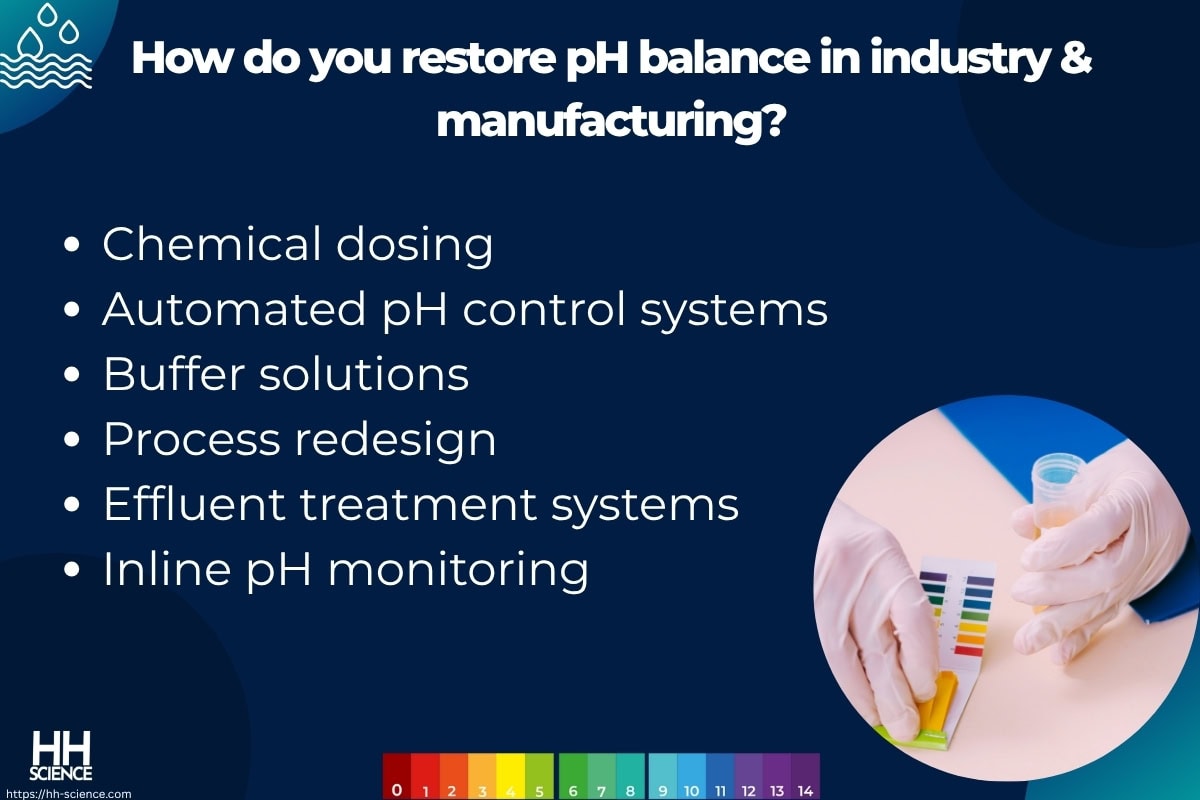
You can restore pH balance in industry and manufacturing using methods such as chemical dosing, automated pH control systems, buffer solutions, process redesign, effluent treatment, and inline monitoring—each essential for maintaining product quality, protecting equipment, ensuring safety, and meeting environmental regulations.- Chemical dosing: You can add acids (e.g., sulfuric acid) or bases (e.g., sodium hydroxide) to neutralize excess alkalinity or acidity in process streams.
- Automated pH control systems: You can use real-time pH sensors connected to dosing pumps for precise, continuous pH correction.
- Buffer solutions: You can apply industrial-grade buffers to stabilize pH in systems sensitive to small fluctuations.
- Process redesign: You can redesign reaction sequences or raw material sourcing to reduce pH variability at the source.
- Effluent treatment systems: You can integrate pH neutralization tanks in wastewater lines to treat acidic or basic discharge before release.
- Inline pH monitoring: You can install inline pH sensors and controllers to detect and correct imbalances before they affect operations.
How do you maintain pH balance in industry & manufacturing?
You can maintain pH balance in industry and manufacturing through continuous monitoring, preventive maintenance, calibration routines, buffer management, material compatibility checks, and staff training—because these practices ensure stable operations, prevent equipment damage, maintain product quality, and comply with regulatory standards.- Continuous monitoring: You can install inline pH meters and data loggers to track fluctuations in real time and enable instant adjustments.
- Preventive maintenance: You can regularly inspect and clean sensors, pumps, and dosing systems to prevent buildup and degradation.
- Calibration routines: You can perform scheduled calibrations using certified buffer solutions to ensure pH measurement accuracy.
- Buffer management: You can maintain appropriate chemical buffers in systems to resist sudden pH changes during operation.
- Material compatibility checks: You can choose corrosion-resistant materials for tanks, pipes, and valves to prevent chemical reactions that alter pH.
- Staff training: You can train operators to recognize signs of pH drift, handle chemicals safely, and respond to alarms effectively.

pH balance in laboratories
pH balance in laboratories is critical for ensuring accurate experimental results, reliable chemical reactions, and compliance with analytical protocols across various scientific fields including chemistry, biology, medicine, and environmental testing. pH affects reaction rates, solubility, enzyme activity, sample stability, and the accuracy of titrations, making its precise control essential for both qualitative and quantitative analysis. Imbalances in pH can lead to skewed data, failed experiments, or damage to sensitive instruments. Proper maintenance includes routine calibration of pH meters with certified buffer solutions, correct storage of electrodes in suitable storage solutions, and careful handling of test samples to avoid contamination or evaporation that may alter pH readings.What is the pH balance in calibration of pH sensors and meters?
The pH balance in calibration of pH sensors and meters refers to the process of using standard buffer solutions with known pH values (commonly pH 4.01, 7.00, and 10.01) to ensure that pH measurement devices deliver accurate and reliable readings. Calibration is essential because pH electrodes can drift over time due to aging, contamination, or temperature changes, leading to incorrect measurements. During calibration, the sensor is exposed to the buffer solutions, and its readings are adjusted to match the known pH values, compensating for any deviation. Symptoms of poor calibration include inconsistent readings, slow response time, or deviation from expected pH values in test samples. Regular maintenance includes cleaning the electrode, proper storage in storage solution (not distilled or deionized water), and frequent recalibration depending on usage frequency and application precision requirements.What is the pH balance in buffer solutions?
The pH balance in buffer solutions refers to their ability to resist changes in pH when small amounts of acids or bases are added, maintaining chemical stability in various systems. Buffer solutions are composed of a weak acid and its conjugate base (e.g., acetic acid and sodium acetate) or a weak base and its conjugate acid (e.g., ammonia and ammonium chloride), and they function based on the Henderson-Hasselbalch equation to maintain a nearly constant hydrogen ion concentration. This balance is critical in biological systems, analytical chemistry, laboratory calibration, and industrial processes, ensuring accurate reactions, enzyme activity, and precise pH measurements.What is the pH balance in pH test methods: strips, probes, meters?
The pH balance in pH test methods—strips, probes, and meters—refers to the accurate detection and monitoring of hydrogen ion concentration to determine the acidity or alkalinity of a solution. pH test strips provide a quick, low-cost visual indication of pH via color change, while pH probes and meters offer precise digital measurements using electrochemical principles involving glass electrodes and reference systems. These tools are essential for maintaining pH balance across applications like healthcare, food safety, water quality, laboratory analysis, and industrial process control. Accurate calibration, proper maintenance (e.g., storage solution and electrode cleaning), and correct sampling protocols are vital to ensuring reliable pH measurement and avoiding measurement drift or error.How does pH balance work in troubleshooting pH errors and drift?
pH balance in troubleshooting pH errors and drift involves identifying and correcting deviations caused by electrode aging, contamination, calibration failure, temperature fluctuations, or junction clogging. pH sensors work based on electrochemical principles, and maintaining their accuracy requires proper buffer calibration, electrode maintenance, and regular system diagnostics. When pH readings begin to drift—showing gradual, inconsistent shifts—technicians examine factors like reference system integrity, electrode poisoning, dry electrodes, or air bubbles that disrupt the signal. Understanding the source of these issues is critical to restoring accurate pH measurements in laboratory, industrial, and environmental settings, thereby ensuring process reliability, product safety, and compliance.How do you restore pH balance in laboratories?
You can restore pH balance in laboratories by using fresh buffer solutions, calibrating pH meters regularly, cleaning and conditioning electrodes, replacing faulty probes, and controlling environmental variables—these practices ensure accurate, consistent measurements critical for scientific analysis and quality control.- Use fresh buffer solutions: Buffer solutions with known pH values help recalibrate instruments back to accurate readings.
- Calibrate pH meters regularly: Routine calibration aligns sensor response with reference standards to maintain precision.
- Clean and condition electrodes: Proper cleaning removes contaminants, while conditioning reactivates the sensor’s responsive glass membrane.
- Replace faulty or aged probes: Old or damaged electrodes may fail to respond accurately, requiring timely replacement.
- Control environmental variables: Maintain stable temperature, humidity, and sample handling to reduce external interference in pH readings.

How do you maintain pH balance in laboratories?
You can maintain pH balance in laboratories by regularly calibrating instruments, using high-quality buffer solutions, storing and cleaning electrodes properly, standardizing sample preparation, and monitoring environmental conditions—these practices ensure accurate measurements and consistent experimental results.- Regularly calibrate instruments: You can calibrate pH meters with fresh buffer solutions to ensure precise and traceable readings.
- Use high-quality buffer solutions: You can use certified pH buffer standards to reduce drift and maintain measurement consistency.
- Store and clean electrodes properly: You can clean electrodes after each use and store them in suitable storage solution to extend their life and stability.
- Standardize sample preparation: You can prepare samples under consistent conditions (e.g., temperature, dilution) to reduce variable impact on pH.
- Monitor environmental conditions: You can control lab temperature and avoid contamination to prevent fluctuations that may affect pH readings.

What are pH balance measurement tools?
pH balance measurement tools include pH meters, pH test strips, indicator solutions, probes (glass and ISFET), and inline sensors—these tools are essential for accurately determining hydrogen ion concentration across various applications in health, science, industry, and environment.- pH meters: pH meters provide digital, high-precision measurements by using electrodes to detect voltage changes corresponding to hydrogen ion activity.
- pH test strips: pH test strips offer quick, color-based estimates of pH levels and are convenient for field tests or simple applications.
- Indicator solutions: pH indicator solutions visually change color based on the sample’s pH, making them useful for rough estimates in educational or low-tech environments.
- Glass electrodes: pH glass electrodes, typically used in benchtop and portable meters, deliver accurate and stable measurements through selective ion exchange on a sensitive membrane.
- ISFET probes: pH ISFET (Ion-Sensitive Field Effect Transistor) probes offer rugged, miniaturized, and fast-responding alternatives to glass electrodes, especially in food and biomedical uses.
- Inline pH sensors: pH inline sensors are installed directly in industrial or process systems to provide continuous, real-time monitoring for automated control and compliance.

What are the difference between pH meters, probes and strips?
The differences between pH meters, probes, and strips are crucial for selecting the right tool depending on the level of accuracy, application setting, and cost. While all are designed to measure hydrogen ion concentration, each has unique strengths and limitations in terms of precision, convenience, environment suitability, and long-term use. Here is a comparative table outlining their main features.| Feature | pH Meter | pH Probe | pH Strip |
| Accuracy | High (±0.01–0.1 pH) | Moderate to high (depends on meter compatibility) | Low to moderate (±0.5–1 pH) |
| Use Case | Laboratory, industry, precise research | Field work, integration with meters | Quick testing, consumer use, education |
| Output Type | Digital display | Signal transmitted to meter | Color comparison |
| Ease of Use | Requires calibration and maintenance | Requires meter and proper storage | Very easy, no tools needed |
| Cost | High | Medium | Low |
| Calibration Needed | Yes | Yes | No |
| Reusability | Yes (with proper care) | Yes (with maintenance) | No (single-use) |
| Environment Suitability | Controlled settings | Field and lab settings | Portable, any setting |

ISFET vs. Glass electrode
ISFET (Ion-Sensitive Field Effect Transistor) and Glass Electrode pH sensors are compared to evaluate their suitability for different environments, sample types, and technology preferences. While both are designed to measure hydrogen ion activity, their sensing mechanisms, durability, and application scope differ, making it essential to understand which is better suited for laboratory, industrial, medical, or field use. Here is a comparison table with their key features:| Feature | ISFET Electrode | Glass Electrode |
| Sensing Principle | Ion-sensitive field-effect transistor | Glass membrane detects hydrogen ions |
| Durability | High (shock-resistant, unbreakable) | Fragile (glass membrane can break) |
| Warm-up Time | Short | May require stabilization |
| Maintenance | Low (no glass cleaning needed) | Requires regular cleaning and calibration |
| Accuracy | Moderate to high | High (industry standard) |
| Sterilization Compatibility | Excellent (can withstand autoclaving) | Poor (glass can degrade) |
| Response Time | Fast | Moderate |
| Application | Medical, food, single-use, biotech | Laboratory, industrial, water quality |
| Cost | Higher | Lower |
| Calibration Stability | Drifts faster, needs frequent calibration | Stable with proper care |

Why pH balance is important for calibration and temperature compensation?
pH balance is important for calibration and temperature compensation because accurate pH measurements depend on stable hydrogen ion activity, which varies with temperature and reference conditions. pH calibration aligns a sensor’s electrical response with known buffer standards (typically pH 4.00, 7.00, and 10.00), while temperature compensation corrects for the thermal influence on electrode potential and solution chemistry, ensuring precision across varying environments. Maintaining pH balance in calibration buffers and accounting for temperature changes are critical for minimizing drift, error, and ensuring reliable, repeatable measurements in scientific, industrial, and laboratory settings.


